
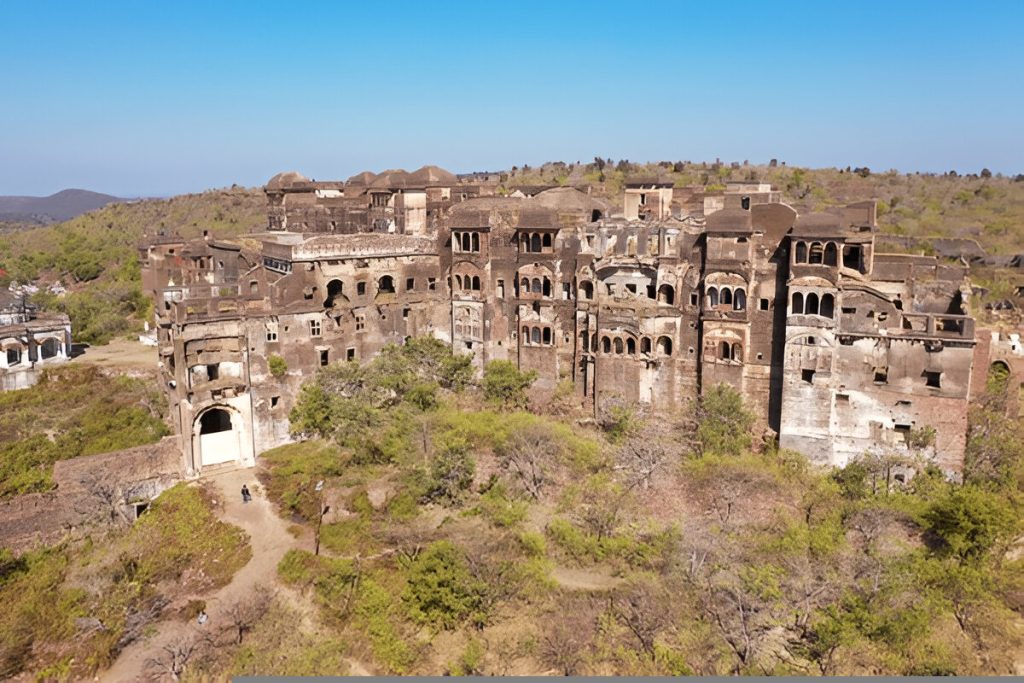
Hidden History of Narsinghgarh Fort: Rare Insights from an Old Historical Book
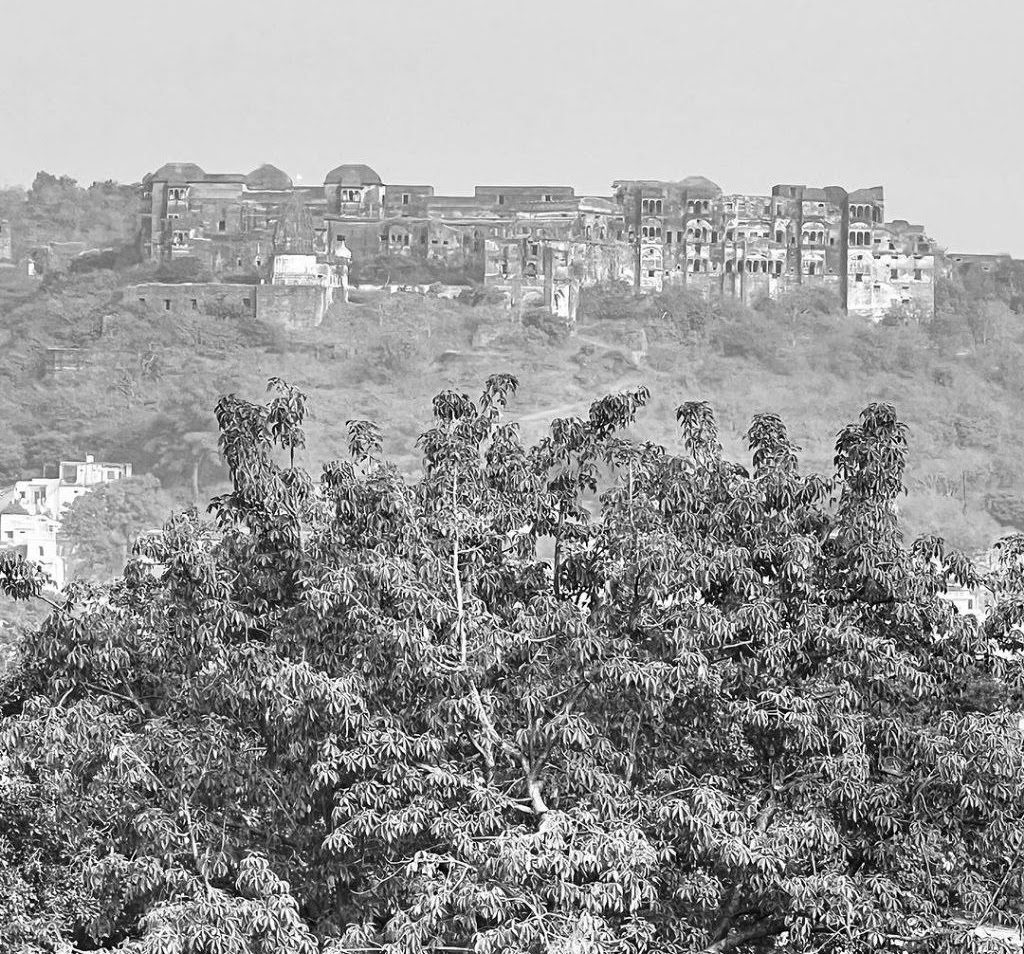
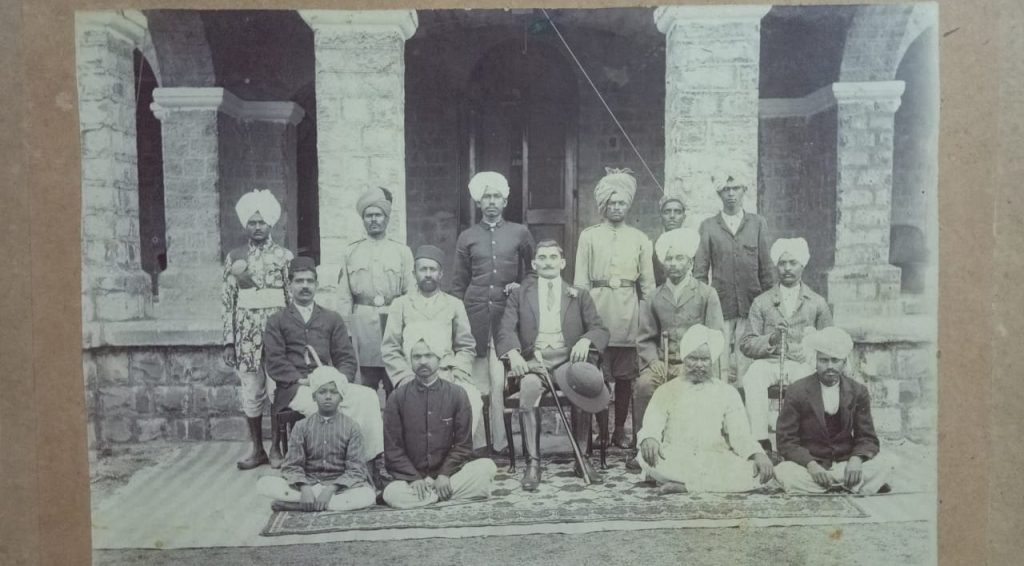
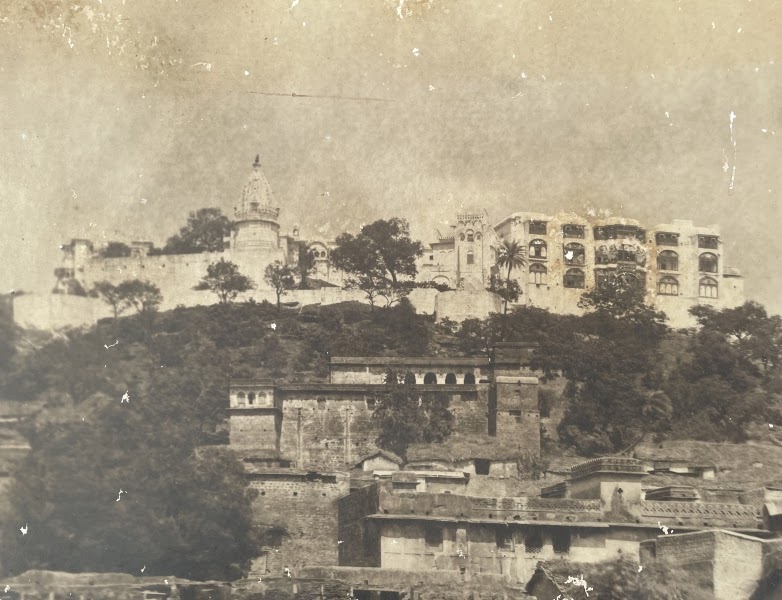
Narsinghgarh Fort in Madhya Pradesh is famous for its scenic hilltop location and royal heritage. Most websites describe its architecture and tourist appeal, but an old historical manuscript reveals several lesser-known aspects about the origin of the region, its rulers, and the cultural environment that shaped the fort and the surrounding town. These details help us understand the deeper historical identity of Narsinghgarh beyond what is commonly found on travel websites.
1. Historical Roots of the Region
According to the manuscript, the region of Narsinghgarh was historically connected with the larger cultural landscape of Malwa. Its geographical position made it strategically important for controlling nearby territories and routes. This strategic location encouraged the rise of fortified settlements and administrative centers in the area.
2. Influence of Rajput Lineages
The text mentions the role of Rajput clans, especially the Parmar lineage, in shaping the political identity of the region. Various warrior families established authority here, creating local power centers that contributed to the development of forts, temples, and organized settlements.
3. Cultural and Religious Development
The manuscript highlights that religious and cultural institutions played an important role in the development of towns around such forts. Temples, spiritual activities, and social gatherings strengthened the bond between rulers and the local population, helping maintain stability in the region.
4. Intellectual and Scholarly Environment
Another interesting insight from the manuscript is the presence of scholars and intellectual figures connected with the royal environment. Their activities contributed to the spread of knowledge and cultural exchange, showing that the region was not only politically significant but also intellectually active.
5. Gradual Development of the Town
The manuscript suggests that Narsinghgarh developed gradually through administrative organization, cultural patronage, and regional leadership. Over time, the fort and the settlement below it became an important center in the Malwa region, representing both political authority and cultural heritage.
6. Why This History Matters Today
Today, visitors often admire the scenic beauty and architecture of Narsinghgarh Fort. However, historical sources such as this manuscript remind us that the fort represents centuries of political development, cultural traditions, and regional identity. Understanding these lesser-known aspects helps us appreciate Narsinghgarh not only as a tourist destination but also as an important part of central India’s historical landscape.
Interesting Facts Mentioned in the Book
- The region was historically part of the greater Malwa cultural zone. The manuscript explains that Narsinghgarh developed within the political and cultural influence of Malwa, which was an important historical region in central India.
- Early power centers were formed by Rajput warrior clans. According to the text, different Rajput groups established local authority in the region, gradually shaping the political structure of the area.
- The Parmar lineage played a key role in regional governance. The manuscript highlights the influence of Parmar rulers and their contribution to establishing organized administration and fortified settlements.
- Religious institutions were closely connected with governance. Temples and spiritual activities were not only religious centers but also places where community gatherings and social decisions took place.
- The region had an active intellectual and scholarly environment. The book mentions that scholars and learned individuals were associated with the courts and cultural life of the area, indicating that Narsinghgarh was also a center of knowledge and discussion.
- The development of Narsinghgarh was gradual rather than sudden. Administrative organization, cultural patronage, and local leadership slowly transformed the settlement into an important regional center.
- The fort and town symbolized both authority and culture. The manuscript suggests that the fort was not only a military structure but also a representation of political power and cultural identity in the region.

